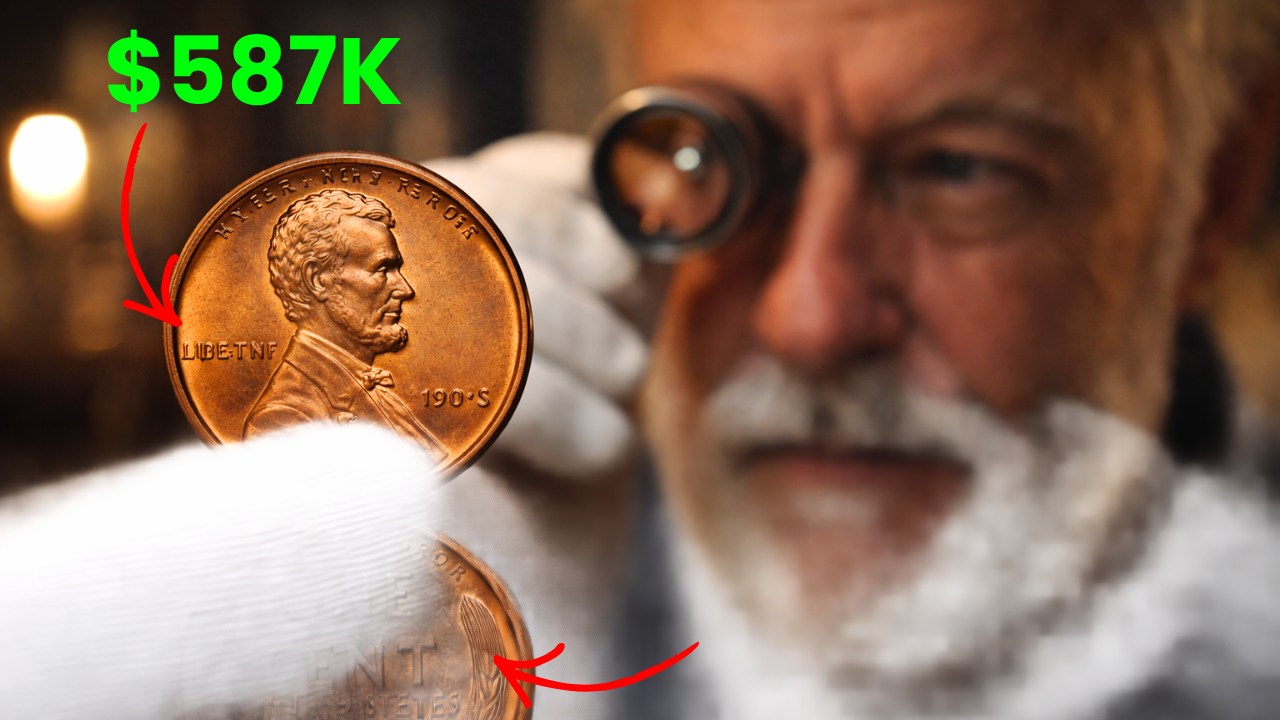
Rare Lincoln Wheat Penny Worth $567K: Finding a fortune in loose change sounds like a fantasy, yet coin collectors know it can happen. Some of the most valuable coins ever sold were once ordinary pocket change. Among them, the Lincoln Wheat Penny holds legendary status for producing a few ultra rare coins that now command astonishing prices.
In 2026, renewed interest in rare coins has brought fresh attention to a Lincoln Wheat Penny reportedly valued at up to $567,000. While not every wheat penny is valuable, understanding how to identify rare examples can help you determine whether a simple coin jar holds something extraordinary.
What Makes the Lincoln Wheat Penny So Valuable
The Lincoln Wheat Penny was minted from 1909 to 1958 and was the first US coin to feature a real person. Most wheat pennies are common and worth only a few cents. A small number, however, were produced under unusual circumstances that created extreme rarity.
Value comes from a mix of low mintage, minting errors, historical context, and condition. When all of these factors align, prices can rise dramatically, especially when collectors compete for the same coin.
Overview Table of High Value Lincoln Wheat Pennies
| Penny Type | Year | Key Feature | Estimated Value |
|---|---|---|---|
| Lincoln Wheat Penny | 1943 | Bronze error | Up to $567,000 |
| Lincoln Wheat Penny | 1909 S | VDB initials | $1,000 to $100,000+ |
| Lincoln Wheat Penny | 1914 D | Low mintage | $2,500 to $150,000 |
| Lincoln Wheat Penny | 1922 | No D mint mark | $5,000 to $80,000 |
| Lincoln Wheat Penny | 1955 | Doubled die | $1,500 to $50,000 |
These values vary widely based on condition and authentication.
The $567,000 Lincoln Wheat Penny Explained
The wheat penny linked to the $567,000 valuation is the 1943 bronze Lincoln Wheat Penny. During World War II, the US Mint switched from copper to steel to conserve metal for the war effort.
A small number of bronze blanks from 1942 were accidentally left in the presses and struck with the 1943 date. These error coins were never meant to exist, making them among the rarest pennies ever produced.
Only a few genuine examples are known, which explains their six figure price tags.
How to Identify a 1943 Bronze Wheat Penny
At first glance, the 1943 bronze penny looks similar to other wheat pennies. The key difference lies in the metal.
Most 1943 pennies are steel and stick to a magnet. A bronze version will not. The color also appears more copper toned rather than silver gray. Weight is another indicator, as bronze pennies are heavier than steel ones.
Because of widespread counterfeits, professional authentication is essential before assuming a coin has extreme value.

Other Rare Wheat Pennies to Watch For
The 1909 S VDB wheat penny is famous for its low mintage and the designer’s initials on the reverse. Even in worn condition, it commands strong prices.
The 1914 D wheat penny is another key date. Its scarcity makes it valuable even when heavily circulated. The 1922 no D penny resulted from a minting issue where the mint mark failed to appear.
The 1955 doubled die penny stands out due to visibly doubled lettering. This error is easy to spot and remains one of the most popular error coins among collectors.
Why Condition Plays a Huge Role in Value
Condition often determines whether a wheat penny is worth hundreds or hundreds of thousands. Coins are graded on a scale from heavily worn to mint state.
A rare penny in poor condition may still be valuable, but pristine examples can multiply value many times over. Sharp details, original color, and lack of damage all increase desirability.

This is why professional grading can dramatically change a coin’s market price.
How to Check Your Wheat Pennies at Home
Start by sorting pennies by date and mint mark. Look closely at coins from 1909 to the early 1950s, especially those with unusual features.
Use a magnet to test 1943 pennies. Examine lettering for doubling and check mint marks carefully. Small differences can mean large value gaps.
Avoid cleaning coins, as this can permanently reduce value even if the coin is rare.
Getting a Coin Professionally Authenticated
If you suspect you have a valuable wheat penny, professional authentication is critical. Certified grading confirms authenticity, condition, and market credibility.

Collectors and auction houses rely heavily on certification before assigning high value. Without it, even genuine rare coins may struggle to reach full market potential.
This step protects both sellers and buyers in high value transactions.
Collector Trends Driving Wheat Penny Prices in 2026
Interest in rare coins has grown steadily as collectors seek tangible assets. Wheat pennies appeal because they are affordable to collect at entry level, yet offer legendary high end rarities.
Online auctions and social media have increased awareness, leading more people to search old collections and inherited jars. This renewed attention continues to support strong prices for key dates and error coins.
Demand remains especially strong for authenticated examples with clear provenance.
Common Myths About Rare Pennies
Not every old penny is valuable. Age alone does not determine worth. Many wheat pennies were minted in huge numbers and remain common today.
Another misconception is that cleaning improves appearance. In reality, cleaning almost always lowers value. Natural wear is preferable to altered surfaces.
Understanding these myths helps prevent costly mistakes.
Final Thoughts
The idea that a penny could be worth $567,000 captures the imagination for good reason. While such coins are extremely rare, they do exist, and some have been found by ordinary people.
Careful inspection, patience, and proper authentication are the keys to uncovering true value. Whether you are a casual hobbyist or a serious collector, learning how to identify rare Lincoln Wheat Pennies can turn everyday coins into remarkable discoveries.