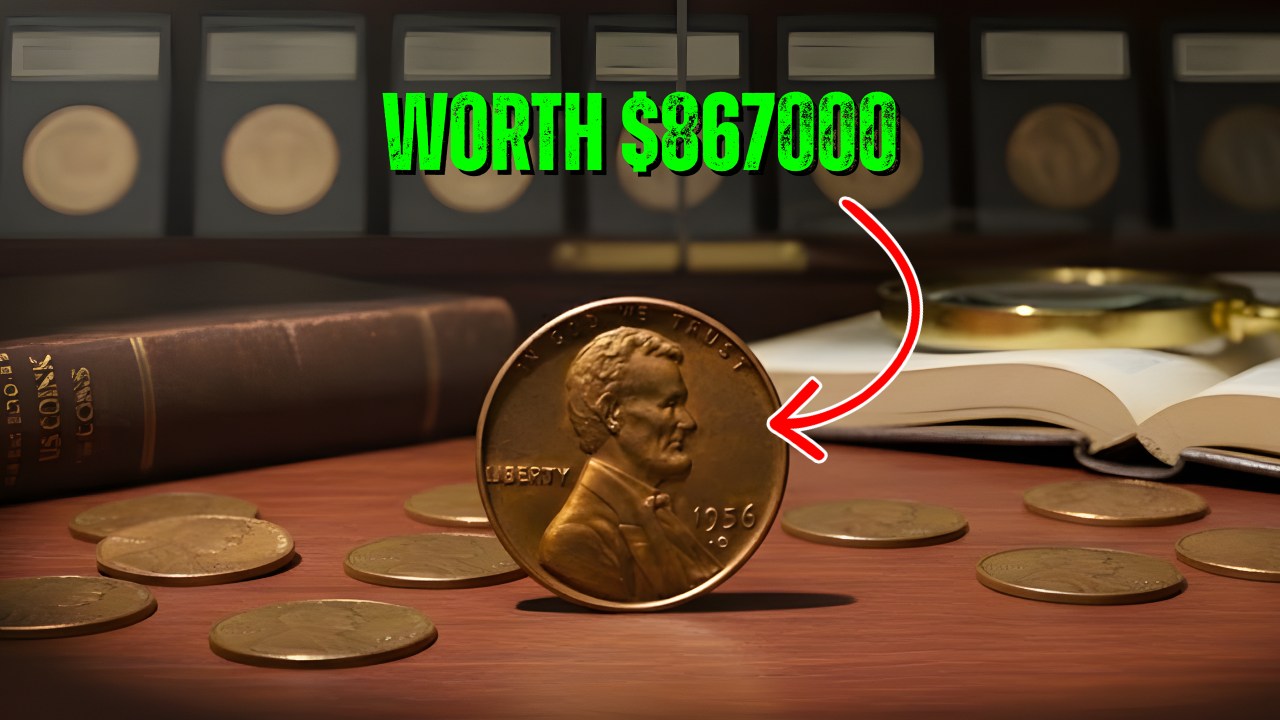
Lincoln Wheat Penny Worth $867000: Rare coins have fascinated collectors for decades, and few American coins generate as much excitement as the Lincoln Wheat Penny. While most wheat pennies hold modest collectible value, certain rare versions have sold for extremely high prices. Some exceptional specimens have reportedly reached values close to $867,000 due to their rarity, minting errors, and historical significance.
History of the Lincoln Wheat Penny
The Lincoln Wheat Penny was first introduced in 1909 to honour the 100th birth anniversary of Abraham Lincoln. It replaced the earlier Indian Head cent and became the first United States coin to feature a real historical figure.
The coin was produced until 1958. Its design includes Lincoln’s portrait on the front and two wheat stalks on the reverse side, which is why collectors commonly refer to it as the Wheat Penny.
Why Some Wheat Pennies Are Extremely Valuable
Not all Lincoln Wheat Pennies carry high value. Most coins remain worth only slightly above their face value. However, certain rare minting years, limited production numbers, and minting mistakes have made some versions extremely valuable.
Collectors value coins that are difficult to find, historically significant, or produced with unusual mint errors. When these factors combine with excellent coin condition, the value can increase dramatically.
Rare Lincoln Wheat Penny Value Highlights
Rare Wheat Penny Value Overview

| Year and Mint Mark | Key Feature | Estimated Collector Value |
|---|---|---|
| 1943 Bronze Penny | Minting metal error | Up to $867,000 |
| 1909 S VDB Penny | Limited production | Over $100,000 |
| 1914 D Penny | Rare mint issue | Over $50,000 |
| 1922 No D Penny | Missing mint mark | Over $30,000 |
| 1955 Double Die Penny | Visible design error | Over $20,000 |
Values depend heavily on coin condition and collector demand.
The Famous 1943 Bronze Wheat Penny
The 1943 bronze penny is one of the most valuable coins in American coin collecting history. During World War II, pennies were supposed to be made from steel to conserve copper for wartime use.
However, a few bronze blanks were mistakenly used during production. These rare coins became extremely valuable because only a small number exist, making them highly sought after by collectors.
Understanding the 1909 S VDB Wheat Penny
The 1909 S VDB penny is another rare and valuable coin. The initials VDB represent the designer Victor David Brenner, whose initials appeared prominently on early coins before being removed.
The San Francisco mint produced only a limited number of these coins, which greatly increased their collector value.
Importance of Mint Marks in Coin Value
Mint marks play a major role in determining coin rarity. These marks indicate where the coin was produced and are usually found below the year on the coin.
Coins produced in smaller quantities at specific mints often carry higher collector demand. Rare mint marks combined with low production numbers significantly increase coin value.
How Minting Errors Increase Coin Worth
Minting mistakes often make coins extremely valuable. Errors such as double stamping, incorrect metal usage, or missing mint marks create unique collector items.
The 1955 double die penny is a well known example. Its visibly duplicated lettering makes it easily recognisable and highly desirable among collectors.
Role of Coin Condition in Determining Value
Coin condition is one of the most important factors influencing collector value. Coins with minimal wear, clear design details, and original shine typically receive higher grading scores.

Professional grading organisations evaluate coins based on condition and assign grades. Higher graded coins often command significantly higher market prices.
How to Identify a Rare Wheat Penny
Collectors should carefully examine coin year, mint mark, metal composition, and design features. Comparing coin details with known rare versions helps determine potential value.
Magnifying tools and coin reference guides are useful for spotting small mint errors or unique characteristics that increase collector interest.
Tips for Protecting Valuable Coins
Proper coin storage helps preserve value. Collectors should avoid cleaning coins because cleaning can damage surfaces and reduce collector demand.
Coins should be stored in protective holders or airtight containers to prevent exposure to moisture, air, and physical damage.

Why Wheat Pennies Remain Popular Among Collectors
The Lincoln Wheat Penny holds strong historical significance and represents an important period in American coin history. Its wide production range and multiple rare variations make it attractive to both beginner and advanced collectors.
The possibility of discovering a rare coin in everyday collections continues to drive interest among hobbyists and investors.
Common Mistakes New Collectors Should Avoid
Many collectors mistakenly clean old coins, which can reduce their market value. Others fail to verify authenticity before selling or purchasing rare coins.
Understanding grading standards and using professional evaluation services helps avoid misidentification and financial loss.
Future Outlook for Rare Wheat Penny Values
Rare coin values often increase over time due to growing collector interest and limited availability. High demand for historically significant coins continues to push auction prices higher.

Collectors and investors expect rare Wheat Pennies to remain valuable long term, especially those with unique minting errors or limited production history.
Final Thoughts
The Lincoln Wheat Penny remains one of the most iconic collectible coins in American history. While most Wheat Pennies hold modest value, rare examples such as the 1943 bronze penny can reach extraordinary prices, including reported values near $867,000.
Careful identification, proper preservation, and understanding rarity factors are essential for collectors hoping to discover valuable coins. For hobbyists and investors alike, Wheat Pennies continue to represent both historical significance and exciting collectible potential.